
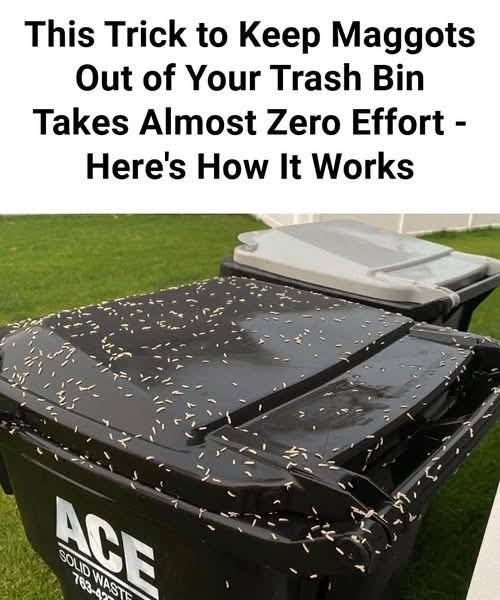
Open the lid on a hot August afternoon and you know right away. The smell hits first, then you see them: pale little larvae crawling along the rim of the can. Maggots are fly larvae, and they show up in trash bins for one simple reason. A fly found food, laid eggs, and the weather did the rest.
The good news is that maggots are mostly preventable with a few habits that take seconds. Here's how the cycle works, how to break it, and what to do if you already have a bin full of them.
Why Maggots Show Up in Trash Cans
Houseflies and blowflies are drawn to the smell of decaying food, especially meat, dairy, and anything wet and sugary. A fly only needs a small gap, a cracked lid, or an open can on collection morning to get inside and lay eggs on exposed waste.
Those eggs hatch into larvae, and warm temperatures speed everything up. In the middle of a Hudson Valley summer, a bin that smelled fine on Tuesday can be a problem by Friday. Cold weather slows the process down dramatically, which is why this is mostly a May-through-September headache around here.
Two things make a bin attractive: food residue and moisture. Take either one away and flies have a lot less reason to stop.
How to Prevent Maggots in Trash Cans
Most of the prevention happens inside your kitchen, before the trash ever reaches the curb. These are the habits worth building.
- Bag everything, and tie it tight. Loose food scraps dumped straight into the bin are an open invitation. Double-bag meat trimmings, bones, and seafood scraps.
- Drain liquids before bagging. Pour off soup, juice, and the water at the bottom of the takeout container. Liquid leaks through bags and pools in the bottom of the can.
- Keep the lid closed and seated. Check that nothing is propping it open. An overstuffed bag that holds the lid up is the most common way flies get in.
- Rinse recyclables. Soda cans, yogurt cups, and pet food tins hold enough residue to draw flies to the recycling bin too.
- Wrap the worst offenders. Chicken packaging, shrimp shells, and diapers do better in a separate, well-sealed bag.
None of this is complicated. It's just consistency. One bag of uncovered chicken scraps in July can undo a month of careful habits.
What About Powders and Sprays?
Plenty of people sprinkle baking soda, salt, or a pet-safe powder in the bottom of the can to absorb moisture and cut odor. That can help with smell, but it doesn't substitute for getting the food residue out. If the sticky film is still coating the inside walls, flies will still find it.
If you use any insecticide or cleaning product in or around your bins, read the label and follow the directions, especially if you have pets or small kids in the yard.
Summer Habits That Make the Biggest Difference
Where you keep the bin matters almost as much as what goes in it. A can sitting in direct afternoon sun heats up like an oven, which accelerates decay and pushes odor out through every seam.
Move your bins into the shade if you can: the north side of the house, under a deck, inside the garage if you have room. Cooler bin, slower breakdown, fewer flies.
A few more things worth trying in the hot months:
- Freeze the smelly stuff. Keep meat and fish scraps in a bag in the freezer and toss them in the bin the morning of pickup.
- Put the bin out every week. Even if it's only half full. Trash that sits an extra seven days in August is trash that has time to turn.
- Hose it out when you notice buildup. A quick rinse is better than nothing, though it won't do much against baked-on grease.
- Check the lid hardware. A broken hinge or a warped rim leaves a gap big enough for flies.
How to Clean a Bin That Already Has Maggots
If you've already got them, here's the straightforward approach. Do it outside, away from the house, and wear gloves.
- Take the bin to the curb on collection day and let the hauler empty as much as possible.
- Scoop or sweep out whatever larvae remain into a bag you can tie off and throw away.
- Flush the bin with the hottest water you can safely handle. Hot water does more than cold here, both for killing larvae and for loosening the greasy film they're feeding on.
- Scrub the walls and the underside of the lid with a long-handled brush and dish soap. The rim and lid seams are where eggs hide.
- Rinse, then tip the bin upside down and let it dry completely in the sun before the next bag goes in.
One thing people overlook: where the dirty water goes. Wash water from a trash bin carries food waste and grease, and letting it run down a storm drain isn't a great practice. If you're washing at home, try to keep the runoff on grass or gravel rather than directing it into the street.
Why the Smell Comes Back
A rinse knocks down the visible mess, but the odor usually lives in a thin layer of residue stuck to the plastic. Bin walls get microscopically scratched over years of use, and that texture holds onto grease. Hot water under real pressure, plus a deodorizing step, is what actually resets the can.
Bin Habits for Fishkill and Dutchess County Homeowners
Trash collection around here is handled by private haulers, and the rules differ from one company to the next: what they'll take, whether recycling is sorted or single-stream, and how they handle an overfull can. If you're not sure, your hauler's website or a quick phone call will tell you.
Timing helps too. Putting bins out the night before is convenient, but it gives flies and animals a longer window. If your schedule allows, rolling them out in the morning cuts that down.
And when the season turns cold, the maggot problem goes away on its own. That's also the right time to do a deep clean, so you start spring with a bin that isn't carrying last summer's residue.
When a Curbside Bin Cleaning Service Makes Sense
Scrubbing a trash can by hand is a miserable job. It's one of those chores most people put off until the smell forces the issue, and a garden hose only gets you so far against years of buildup.
That's the gap RinseBin is being built to fill here in Fishkill. The planned service cleans and deodorizes your bins right at the curb using hot water, and the dirty wash water is collected for proper disposal instead of running into your driveway or the street.
We're not operating yet. The plan is to launch in April 2027, weather permitting, with the first route in Fishkill.
Proposed launch pricing covers up to two bins before sales tax: $32 per cleaning for monthly service from April through November, $49 per visit or $147 for a three-visit season, or $75 for a one-time deep clean. An extra bin is $7 more on recurring service or $10 on a one-time clean. No contracts, month to month, cancel whenever you want. Final pricing and terms go out for your review before anyone books anything.
In the meantime, the habits above will carry you through the warm months. If you'd like to be on the list when the first route is planned, you can reserve your spot for free. It takes about 30 seconds, nothing is charged now, and it doesn't book a cleaning or authorize any charges. Everyone who reserves before launch gets 15% off the listed prices for as long as they keep service, though a reserved spot isn't a guarantee of service at every address since it depends on how the routes come together.