
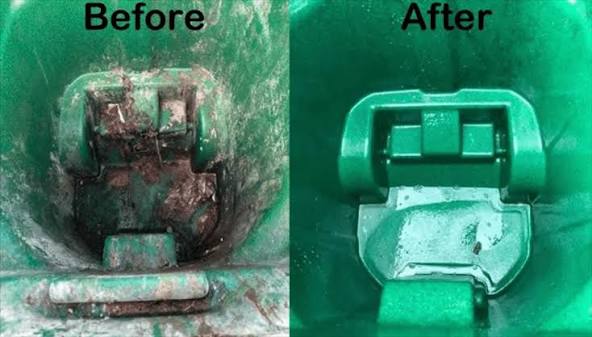
If you've ever lifted your trash lid on a humid August afternoon and immediately regretted it, you already understand the problem. Curbside bins hold food scraps, liquids and whatever leaks out of a torn bag, and the smell builds up over months. This guide walks through how trash bin cleaning actually works in Fishkill, NY, what you can do yourself, and what a service handles differently.
A quick note up front: RinseBin isn't operating yet. The planned launch is April 2027, weather permitting. Everything below is meant to be useful whether you hire anyone or not.
Why Bins Get So Bad in the Hudson Valley
The culprit isn't really the trash. It's the residue left behind after the truck empties your bin. Juice from the bottom of a bag, meat packaging drippings, the last inch of an iced coffee. That film stays in the bin and bakes.
Summers here get warm and sticky, which speeds everything up. Then a bin sits closed at the side of the house all week, warm and dark inside. By the time you roll it back out, the smell has had seven days to develop.
Winter isn't a free pass either. Things freeze, thaw, and the mess at the bottom simply waits for spring. That's part of why April is a natural starting point for bin cleaning in this area.
The Spots That Hold the Most Residue
Most people rinse the inside walls and call it done. The parts that actually stink are harder to reach:
- The bottom corners, where liquid pools and dries
- The underside of the lid, which catches splash and condensation
- The hinge area where the lid meets the bin body
- The rim and handle, which get touched constantly
How to Clean a Trash Bin Yourself
Doing it at home is absolutely possible. Just be ready for a wet, awkward job, and know that the hardest part is dealing with what comes out.
What You Need
A long-handled scrub brush, a hose, dish soap or a household cleaner, and gloves. A pressure washer helps if you own one, though it sprays debris everywhere, so plan for that.
A Step-by-Step Method
- Clean the bin the same day it's emptied, so you're not fighting a full load.
- Rinse loose debris out first, tipping the bin so water runs out.
- Add a few inches of hot water and soap, then scrub the walls, bottom and corners.
- Scrub the lid separately, both sides, plus the hinge and handle.
- Rinse thoroughly, then tip the bin upside down to drain and dry completely.
Drying matters more than people expect. A bin that goes back into service damp will smell again faster than one that sat in the sun for an hour.
Where the Dirty Water Should Go
This is the part worth slowing down for. Wash water carrying food residue and cleaner shouldn't run down a storm drain, since storm drains in most towns lead to local waterways rather than a treatment plant. A lawn or gravel area away from the street is generally a better choice, and rules can vary by town, so check with the Village or Town of Fishkill if you're unsure.
Realistically, the whole job takes 20 to 30 minutes per bin if you're thorough, plus cleanup of yourself and the driveway. That's the real cost of DIY: not the supplies, the Saturday morning.
What a Trash Bin Cleaning Service Does Differently
The planned RinseBin service cleans bins at the curb using hot water, then deodorizes them. Hot water does a lot of the work that scrubbing does by hand, especially on dried-on residue.
Wash water is the other difference. Dirty water is collected and taken for proper disposal rather than left to run down your driveway and into the street. That's one of the main reasons people hand this job off instead of doing it with a hose.
Timing is built around your pickup day. A bin gets cleaned when it's empty, which is the only time cleaning it makes much sense.
How Often Fishkill Bins Need Cleaning
There's no single right answer. Much depends on what goes in your bin and how much of it.
Monthly During the Warm Months
If you have a full household, cook most nights, or have kids and pets, monthly cleaning through the warm season keeps the smell from ever getting established. This is the most common rhythm for families.
A Few Times Per Season
Smaller households, or anyone who bags and ties everything carefully, often do fine with a handful of cleanings spread across the season. Early spring, midsummer and fall covers the worst stretches.
One Deep Clean to Reset
If your bin has been neglected for years, a single thorough cleaning can get it back to a reasonable baseline. From there, home maintenance may be enough for a while.
What Trash Bin Cleaning in Fishkill, NY Will Cost
Here's the proposed launch pricing for up to two bins, before sales tax. Final pricing and terms go out for your review before anyone books anything.
- Monthly service (April through November): $32 per cleaning
- Three-visit seasonal plan: $49 per visit, or $147 for the season
- One-time deep clean: $75
- Extra bin: +$7 on recurring service, +$10 one-time
Everyone who reserves a founding member spot before launch gets 15% off the listed prices for as long as they keep their service. There are no contracts. Service is month-to-month, and you can cancel anytime. The standard season runs April through November.
Habits That Keep Bins Cleaner Between Washes
Cleaning helps, but what you do the rest of the week matters just as much.
- Bag and tie everything, including small items that seem harmless
- Drain liquids into the sink before anything goes in the bin
- Double-bag meat packaging and anything especially wet
- Keep the lid fully closed so rain and sun stay out
- Store the bin in shade when you can, instead of full afternoon sun
- Lay a flattened cardboard sheet on the bottom to absorb drips, and swap it out
None of this is complicated. That's the difference between a bin that needs occasional attention and one that needs rescuing.
Where RinseBin Stands Right Now
RinseBin is a planned residential bin cleaning service, and it isn't running yet. The first route is planned for Fishkill, NY. Other nearby Dutchess County towns aren't confirmed, and that depends on how the route comes together.
You can join the founding-route interest list for free. Signing up takes about 30 seconds, nothing is charged, and it doesn't book a cleaning or authorize any charges. A reserved spot also isn't a guarantee of service at every address, since route planning determines where service is practical.
Until then, the hose-and-brush method above will get you most of the way there. If you'd rather not spend your Saturdays on it, you can Reserve My Spot on the founding list and lock in 15% off the listed prices when service begins.